Home remodeling and renovation help improve your home’s comfort, appearance, and functionality. Projects can range from simple upgrades, such as replacing fixtures and finishes, to larger changes that transform entire rooms.
Homeowners often renovate to create a more enjoyable living space, update older features, improve energy efficiency, or increase property value. Careful planning and a realistic budget are important for achieving the best results.
Common renovation projects include kitchens, bathrooms, basements, living rooms, and outdoor spaces. Many people also choose to upgrade home systems to improve convenience and long-term performance.
With the right approach, home improvements can make your property more practical, attractive, and enjoyable for years to come.
People often use renovation and remodeling as the same word, but they are not exactly the same.
Renovation means updating or repairing what is already there. This can include painting walls, replacing floors, fixing damage, or adding new fixtures without changing the layout.
Remodeling means changing how a space is built or used. This may include moving walls, expanding rooms, or changing the layout. It often needs work like demolition, framing, plumbing, electrical updates, drywall, and painting.
Both are part of home improvement. For example, updating a kitchen with the same layout is renovation. Removing a wall to add an island is remodeling.
Knowing the difference helps you explain your plans clearly to contractors, designers, and architects.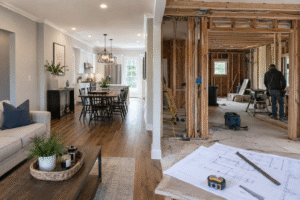
Home renovation is usually a planned decision. Most homeowners start because they want their home to feel better, work better, or save money over time.
A poor layout can make daily life harder. Adding storage, improving room flow, or opening up a space can make the home easier and more comfortable to use.
A smart renovation can also increase property value. Kitchens and bathrooms often add strong value because buyers notice these areas first. Good materials and skilled work help the results last longer.
Older homes may need more than decoration. New wiring, plumbing, insulation, lighting, or fixtures can improve safety, comfort, and daily performance.
Energy-efficient upgrades can help reduce monthly bills. Better windows, insulation, LED lighting, ventilation, appliances, and thermostats can make the home easier to maintain.
These improvements are not just trends. They are practical choices that can make your home more useful, comfortable, and valuable.
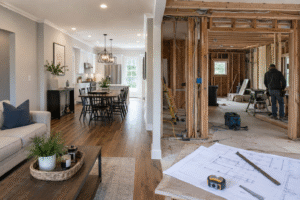
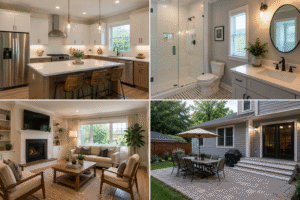
Most home renovation projects focus on areas that affect comfort, function, and home value the most.
Kitchen updates often include cabinets, countertops, appliances, lighting, flooring, or layout changes. Since the kitchen is used daily, small improvements can make a big difference.
Bathroom updates may include new tiles, fixtures, lighting, storage, or plumbing. These changes can make the space more comfortable and easier to use.
Living areas can be refreshed with new flooring, paint, lighting, wall treatments, or ceiling updates.
Exterior renovation improves curb appeal, safety, and energy performance through roofing, siding, windows, doors, landscaping, patios, porches, gardens, and fences.
Good planning prevents expensive problems. Rushing into renovation without a clear plan leads to budget overruns, delays, and poor results.
Set Clear Goals Decide what you want the project to achieve. Is the focus design, functionality, or resale value? Having a defined goal keeps decisions focused and prevents scope creep.
Create a Layout Work with an architect, designer, or experienced contractor before any work begins. A proper blueprint shows how spaces connect, where structural changes are needed, and how traffic flows through the home. This step is especially important for whole home renovation projects.
Plan Your Budget Home renovation planning should include all cost categories: labor, materials, permits, and a contingency fund of 10 to 20 percent for unexpected issues. Get a detailed home renovation estimate from at least two contractors before committing. Understand what is included and what is not.
Get Permits Early Permits are not optional. They protect you legally and ensure the work meets local building codes. Your contractor should handle permit applications, but you should confirm this before work starts.
A solid home remodeling planning guide will cover all of these steps in sequence. Skipping any one of them creates problems downstream.
Material selection affects durability, maintenance, safety, and cost. Choosing the wrong material for a specific application leads to premature failure and additional expense.
Structural Materials Concrete, steel, wood, brick, and stone form the foundation of most renovation work. Each has specific applications. Wood framing is standard in residential construction. Concrete is used for foundations and floors. Brick and stone add durability and aesthetic value to both interiors and exteriors.
Interior Finish Materials Ceramic tile is common in bathrooms and kitchens for its durability and moisture resistance. Granite, marble, and quartz are popular countertop choices with different maintenance requirements. Laminate and vinyl flooring offer cost effective alternatives to hardwood with good durability in high traffic areas.
How to Choose Match materials to the demands of the space. High moisture areas need moisture resistant materials. High traffic areas need durable surfaces. Aesthetic choices matter, but function comes first. A material that looks good but requires constant maintenance is a poor long term choice.
The contractor you choose determines the quality of your outcome. Do not treat this decision lightly.
Experience Matters A qualified home remodeling contractor understands local construction codes, permit requirements, and inspection processes. They have managed the specific type of work your project requires. Ask for references and look at completed projects before signing anything.
Project Management Professional renovation contractors coordinate all the moving parts: carpentry, plumbing, electrical, masonry, and flooring installation. They manage subcontractors, handle scheduling, and keep the project moving. Without this coordination, projects stall and costs escalate.
Safety and Quality Home renovation specialists ensure structural safety, proper installation methods, and code compliant results. Work done by unlicensed or inexperienced workers may look fine initially but create serious problems later, including safety risks and issues at resale.
What to Look For When evaluating a home remodeling company, check for licensing, insurance, a clear contract, and a detailed scope of work. Avoid contractors who ask for large upfront payments or cannot provide references.
Even experienced homeowners make avoidable mistakes. Here are the most common ones.
Poor Planning Starting without a clear scope leads to constant decision making during construction, which slows the project and increases costs. Finalize your plan before work begins.
Underestimating the Budget Most renovations run over the initial estimate. If your plan leaves no room for unexpected costs, you will either cut corners or go over budget. Both outcomes are bad.
Choosing Cheap Materials Low cost materials save money upfront and cost more over time through repairs, replacements, and maintenance. Invest in appropriate quality for each application.
Hiring Unlicensed Contractors Unlicensed work may not meet code, may not be insurable, and creates liability for the homeowner. Always verify licensing and insurance before signing a contract.
Ignoring Permits Unpermitted work creates problems at resale and may require costly remediation. Some unpermitted work also poses genuine safety risks. Permits exist for good reason.
Each of these mistakes affects safety, durability, and long term property value. Avoiding them requires discipline and a willingness to slow down before work begins.