
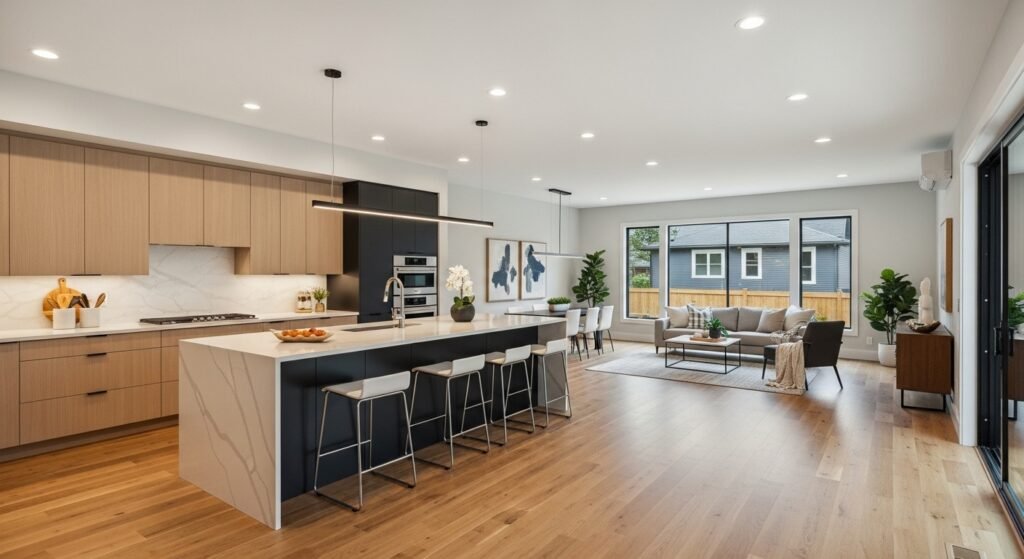
Home remodeling and renovation mean making planned changes to an existing home to improve how it looks, works, or both. These projects range from small updates like replacing fixtures to full structural overhauls.
Homeowners renovate for practical reasons. Better comfort, higher resale value, improved daily function, and lower energy bills are the most common drivers. Whether you are updating a single room or planning a whole home renovation, the process requires clear goals, a realistic budget, and the right team.
Spaces like the kitchen, bathroom, basement, and living areas are the most common targets. But home improvement can also mean updating the exterior, upgrading systems, or making a home more energy efficient.
This guide covers everything from planning to execution so you can approach your home renovation with confidence.
What Home Remodel and Renovation Really Mean
People use these terms interchangeably, but they are different.
Renovation means restoring or updating what already exists. You are repairing damage, replacing worn materials, or refreshing the appearance without changing the structure. Painting walls, replacing flooring, or upgrading fixtures are renovations.
Remodeling means changing the layout or structure. You are moving walls, expanding rooms, or redesigning how a space functions. This involves demolition, framing, electrical work, plumbing, drywall, and painting.
Both fall under the broader category of home improvement, and many projects involve elements of both. A kitchen update that keeps the same layout is renovation. Adding an island by removing a wall is remodeling.
Understanding this distinction helps you communicate clearly with architects, contractors, and designers from the start.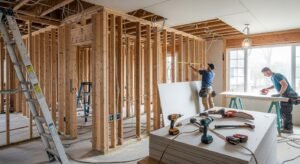
Why Homeowners Invest in Home Remodeling Projects
Renovation is rarely impulsive. Most homeowners invest because of one or more of these reasons.
Improve Functionality A poorly designed layout can make everyday life harder. Simple home remodeling changes, like opening the floor plan or adding storage, can fix many problems. A better layout helps reduce clutter and makes it easier for the family to move around the house.
Increase Property ValueA well-planned renovation can increase the value of your home. Kitchens and bathrooms usually give the best return on investment. When you renovate using good-quality materials and hire skilled professionals, your home keeps its value for a long time.
Modernize an Old House Older homes often need more than just new paint or decoration. They may need better insulation, a new electrical panel, updated plumbing, and modern lights or fixtures. Updating a home helps fix safety problems and makes sure everything meets today’s standards.
Improve Energy Efficiency An energy-efficient home renovation helps lower your monthly bills and is better for the environment. You can improve your home by adding better insulation, replacing old windows, using LED lights, adding good ventilation, and upgrading appliances and thermostats.
These are not just popular trends. They are smart choices that save money over time.
Areas of a Home That Are Commonly Renovated

Most home renovation projects focus on specific areas. Here are the most common.
Kitchen Renovation The kitchen is the most used room in most homes. Updates typically include cabinetry, countertops, appliances, and layout upgrades. Many homeowners start their renovation journey with a Kitchen remodel because the kitchen is the center of daily life and the space where investment returns are clearest.
Bathroom Renovation Bathrooms are high use and high moisture environments. Common updates include tiling, plumbing fixtures, lighting, and storage improvements. A well designed Bathrom Remodel improves comfort, functionality, and home value. Even modest bathroom updates deliver noticeable results.
Living Areas Living rooms, dining rooms, and bedrooms benefit from flooring upgrades, lighting redesigns, wall treatments, and ceiling improvements. These updates improve the feel of a home without major structural work.
Exterior Renovation The exterior is the first thing people see. Roofing, siding, windows, and doors all affect curb appeal and energy performance. Landscaping, driveway repairs, porch updates, patio additions, and balcony work round out exterior projects. A garden redesign or new fence can transform a property’s presentation at a relatively low cost.
Planning a Complete Home Remodel
Good planning prevents expensive problems. Rushing into renovation without a clear plan leads to budget overruns, delays, and poor results.
Set Clear Goals Decide what you want the project to achieve. Is the focus design, functionality, or resale value? Having a defined goal keeps decisions focused and prevents scope creep.
Create a Layout Work with an architect, designer, or experienced contractor before any work begins. A proper blueprint shows how spaces connect, where structural changes are needed, and how traffic flows through the home. This step is especially important for whole home renovation projects.
Plan Your Budget Home renovation planning should include all cost categories: labor, materials, permits, and a contingency fund of 10 to 20 percent for unexpected issues. Get a detailed home renovation estimate from at least two contractors before committing. Understand what is included and what is not.
Get Permits Early Permits are not optional. They protect you legally and ensure the work meets local building codes. Your contractor should handle permit applications, but you should confirm this before work starts.
A solid home remodeling planning guide will cover all of these steps in sequence. Skipping any one of them creates problems downstream.
Materials Used in Home Renovation Projects
Material selection affects durability, maintenance, safety, and cost. Choosing the wrong material for a specific application leads to premature failure and additional expense.
Structural Materials Concrete, steel, wood, brick, and stone form the foundation of most renovation work. Each has specific applications. Wood framing is standard in residential construction. Concrete is used for foundations and floors. Brick and stone add durability and aesthetic value to both interiors and exteriors.
Interior Finish Materials Ceramic tile is common in bathrooms and kitchens for its durability and moisture resistance. Granite, marble, and quartz are popular countertop choices with different maintenance requirements. Laminate and vinyl flooring offer cost effective alternatives to hardwood with good durability in high traffic areas.
How to Choose Match materials to the demands of the space. High moisture areas need moisture resistant materials. High traffic areas need durable surfaces. Aesthetic choices matter, but function comes first. A material that looks good but requires constant maintenance is a poor long term choice.
Hiring a Professional Remodeling Contractor
The contractor you choose determines the quality of your outcome. Do not treat this decision lightly.
Experience Matters A qualified home remodeling contractor understands local construction codes, permit requirements, and inspection processes. They have managed the specific type of work your project requires. Ask for references and look at completed projects before signing anything.
Project Management Professional renovation contractors coordinate all the moving parts: carpentry, plumbing, electrical, masonry, and flooring installation. They manage subcontractors, handle scheduling, and keep the project moving. Without this coordination, projects stall and costs escalate.
Safety and Quality Home renovation specialists ensure structural safety, proper installation methods, and code compliant results. Work done by unlicensed or inexperienced workers may look fine initially but create serious problems later, including safety risks and issues at resale.
What to Look For When evaluating a home remodeling company, check for licensing, insurance, a clear contract, and a detailed scope of work. Avoid contractors who ask for large upfront payments or cannot provide references.
Smart and Sustainable Home Renovation Ideas

Modern renovation goes beyond aesthetics. Homeowners are increasingly integrating technology and sustainability into their projects.
Smart Home Upgrades Smart lighting, programmable thermostats, and home automation systems add convenience and efficiency. These upgrades are most effective when planned during renovation rather than added afterward. Retrofitting smart systems into finished spaces is more expensive and often less elegant.
Eco Friendly Improvements Sustainable home renovation focuses on reducing energy use and environmental impact. Better insulation reduces heating and cooling loads. Energy efficient windows cut heat loss in winter and heat gain in summer. Solar options, improved ventilation systems, and proper drainage and waterproofing all contribute to a home that performs better over time.
Green Home Remodeling in Practice A homeowner replacing an aging HVAC system might combine that with attic insulation and new windows. Together, these upgrades reduce energy bills significantly and improve comfort. Each upgrade compounds the benefit of the others.
Smart home renovation and eco friendly improvements are no longer niche. They are becoming standard expectations in well designed homes.
Home Renovation Cost Factors
Costs vary widely depending on the scope and complexity of the project. Understanding what drives cost helps you plan more accurately.
Key Cost Drivers
The size of your project is the biggest factor in cost. Fixing or remodeling one bathroom is much cheaper than remodeling your whole house. Bigger projects need more time, more materials, and more workers.
The materials you choose also affect the cost. Cheap materials cost less, and high-quality or fancy materials cost more. Making big changes like moving walls, changing plumbing, or updating electrical panels adds a lot to the price.
You may also need permits, and fees depend on where you live and the type of work. Labor costs depend on how skilled the workers are. Jobs like plumbing and electrical work cost more than simple carpentry.
Getting an Accurate Estimate Meeting with a qualified contractor before remodeling your home helps you know what the project will really cost. Ask for a detailed quote so you can see exactly where the money is going. Vague estimates can cause problems and unexpected bills.
When planning your budget, always include extra money for surprises. Older homes especially can have hidden problems that show up once work starts. It’s best to plan for these costs ahead of time.
Common Mistakes to Avoid During Home Renovation
Even experienced homeowners make avoidable mistakes. Here are the most common ones.
Poor Planning Starting without a clear scope leads to constant decision making during construction, which slows the project and increases costs. Finalize your plan before work begins.
Underestimating the Budget Most renovations run over the initial estimate. If your plan leaves no room for unexpected costs, you will either cut corners or go over budget. Both outcomes are bad.
Choosing Cheap Materials Low cost materials save money upfront and cost more over time through repairs, replacements, and maintenance. Invest in appropriate quality for each application.
Hiring Unlicensed Contractors Unlicensed work may not meet code, may not be insurable, and creates liability for the homeowner. Always verify licensing and insurance before signing a contract.
Ignoring Permits Unpermitted work creates problems at resale and may require costly remediation. Some unpermitted work also poses genuine safety risks. Permits exist for good reason.
Each of these mistakes affects safety, durability, and long term property value. Avoiding them requires discipline and a willingness to slow down before work begins.
Final Thoughts on Home Remodel and Renovation
A successful renovation starts with clear planning, good materials, skilled workers, and a realistic budget. All of these are important and work best together.
Remodeling is not just about making a home look nicer. When it’s done the right way, it makes the home work better, feel more comfortable, and increase in value. It is a long-term investment that improves your daily life and can help when you sell your home later.
Start by thinking about your goals. Make a plan that fits those goals. Choose the right team to help you. And make sure you give the project enough time and money to be done properly.
When you follow this approach, you get results that last for many years.