Why the Kitchen Is the Heart of the Home
Kitchens are rarely just for cooking.
Groceries, mail, schoolwork, meal prep, and family conversations all happen in the same space. It is the most active room in the home and often the most crowded.
When the layout cannot keep up, the kitchen starts to feel like a bottleneck instead of a gathering place.
Modern homes are built around connection. The kitchen sits at the center of that. People talk, help with homework, catch up after work, and linger over coffee. It has become the main social space in most homes.
But a poorly laid out kitchen works against all of that. Tight corners, blocked paths, and closed walls stop natural movement and conversation.
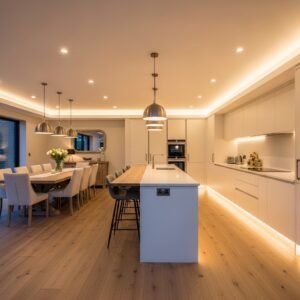
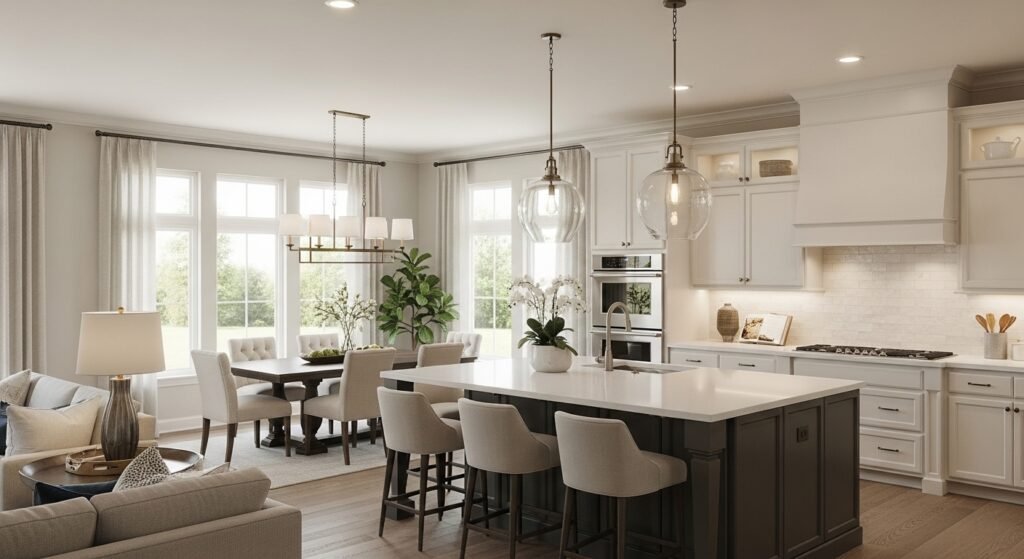
Adjoining rooms solve this. Connecting the kitchen to surrounding spaces creates better flow, more room, and a space where people actually want to gather.
If your current layout feels limiting, exploring a kitchen remodel is a smart first step.
What Adjoining Rooms Actually Mean
An adjoining room is any space that connects directly to the kitchen. That includes the dining room, living area, mudroom, pantry, and family room.
Older homes kept these spaces separate. Each room had one purpose and little connection to the next. That model does not work for how families live today.
Modern kitchen design treats those boundaries as flexible. A wall becomes a pass-through. A closet becomes a pantry. A hallway becomes a mudroom that flows right into the kitchen.
The space between rooms matters too. A well-planned transition zone keeps traffic moving and allows people in different areas to stay visually connected.
Better layout also means calmer daily routines. When the kitchen is easy to move through, meal prep feels smoother and the whole household runs with less friction.
How Adjoining Rooms Improve Kitchen Flow
Kitchen flow describes how people move through the space while cooking, eating, and hosting. Poor flow creates constant congestion.
Think about a closed kitchen during a busy evening. The cook is at the stove. A child wants a snack. A partner is carrying dishes. Three people, one small room, immediate gridlock.
Open that same kitchen into a connected dining area and the movement spreads out. Each person has a natural path. The kitchen functions as the center without becoming a bottleneck.
When the layout works, the kitchen can support multiple activities at once. One person cooks. Another sits at the dining table. A third is in the adjacent living room. No one gets in anyone’s way.
That kind of multi-functional use only happens when the spaces are properly connected.
Good kitchen space planning also supports healthier habits. When prep areas are clear and accessible, cooking at home becomes less of a chore. When the dining area is right there, meals happen at the table more often.
Popular Adjoining Room Ideas That Work
. Kitchen and Dining Combo
Removing the wall between the kitchen and dining room is one of the highest-impact changes a homeowner can make.
The cook becomes part of the room instead of hidden behind a wall. Guests can hold a conversation without raising their voices. Meals move from prep to table without any interruption.
Before removing walls, always confirm whether they are load-bearing. That structural work is worth doing because the result changes how the entire space feels.
Once open, use flooring, lighting, and furniture to define zones within the larger area. The spaces should feel connected without looking identical.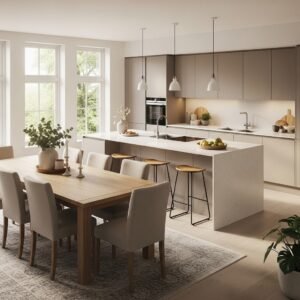
. Butler’s Pantry Integration
A butler’s pantry sits between the kitchen and dining area. It acts as a hidden layer of storage and prep space.
Small appliances, extra dishes, and pantry staples move out of the main kitchen and into this dedicated zone. The result is a kitchen that stays clear and organized without constant effort.
Clutter creates mental noise. When surfaces are clear and everything has a place, the kitchen feels calmer. That is not a minor benefit. It affects how you feel in the space every single day.
For families who entertain, the pantry also works as a staging area. Setup and cleanup happen there, keeping the main kitchen functional throughout the event.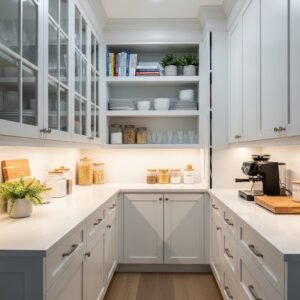
. Mudroom Extension for Busy Families
The mudroom is the boundary between outside and inside. When it connects directly to the kitchen, it catches the daily clutter before it spreads through the home.
Backpacks go on hooks. Shoes go in cubbies. Coats hang by the door. None of it ends up on the kitchen counter.
A defined drop zone changes family behavior without requiring constant reminders. When every item has a designated place near the entrance, the kitchen stays functional instead of becoming a dumping ground.
Expansion and Renovation Strategies
Not every improvement needs a full renovation. Sometimes widening a doorway, swapping a door for a pocket door, or adding a pass-through creates a significant shift without major construction.
But if the existing footprint is genuinely too small, small adjustments will not fix the core problem. A full kitchen expansion into an adjacent room or unused space produces the most lasting change.
The key in either case is cohesion. When renovations extend across multiple rooms, the material choices in one space affect how the next one reads.
Flooring continuity is one of the simplest ways to unify connected spaces. When the same floor runs from the kitchen through the dining area, the rooms feel like a deliberate whole.
For homeowners who want full integration across every adjoining space with premium finishes and custom storage, a luxury kitchen remodel delivers that level of planning and execution.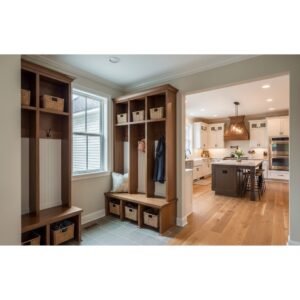
Designing for Flow and Visual Cohesion
A well-connected home feels different before you can explain why. That feeling comes from intentional decisions about materials, lighting, and spatial rhythm.
Consistent finishes across connected rooms create visual continuity. Matching hardware, cabinet tones, and countertop edges in the kitchen and pantry make the spaces read as unified without being identical.
Lighting does quiet but important work in open layouts. Task lighting over the prep area, ambient light above the dining table, and softer accents in transition zones guide movement and make the space feel complete.
Furniture placement and area rugs define zones within an open plan without adding walls. A rug under the dining table anchors that area. A well-placed island signals where the kitchen ends. These decisions shape how the space feels without closing it off.
Health and Lifestyle Benefits
The layout of your kitchen shapes your daily habits more than most people realize.
Reduced stress. An organized, clear kitchen reduces the low-level friction that builds up during busy days. When everything has a place and movement is easy, cooking feels manageable rather than overwhelming.
Better family interaction. When the kitchen opens into the dining area, shared meals become easier to make happen. The cook stays connected to the household instead of working in isolation. Conversations happen naturally across the space.
Healthier eating routines. A functional kitchen encourages more home cooking. A nearby dining table encourages meals at the table instead of in front of screens. The environment shapes the behavior without requiring willpower.
Better mood through light. Open layouts allow natural light to reach further into the home. An adjoining living room with large windows can brighten the kitchen during the day. That daily exposure to natural light has a real effect on how the space feels to be in.
Easier hosting. A connected kitchen makes entertaining less stressful. When you can cook and stay part of the conversation at the same time, hosting feels natural rather than isolating.
These are not small benefits. They affect how your household feels every single day.
Transforming Your Kitchen Into a True Gathering Space
A kitchen that works as a real gathering space needs more than good appliances. It needs layout, connection, and thoughtful integration with the rooms around it.
Adjoining rooms give the kitchen room to breathe. A connected dining area brings people together. A butler’s pantry keeps organization intact. A mudroom manages daily chaos before it enters the home.
Together, these spaces turn the kitchen from a single-function room into the functional and social center of the home.
The changes do not need to be dramatic. Sometimes removing one wall or reorganizing a transition zone is enough. Other times, a full renovation is what the home genuinely needs.
If you are ready to start evaluating your layout, a kitchen remodel gives you a clear framework. For homeowners who want full integration across every connected space with premium design and custom finishes, a luxury kitchen remodel is the right path.
Either way, the goal is a kitchen that supports the way you actually live.